Life doesn’t always go as planned. Just when we think everything is going smoothly, an unexpected medical emergency, job loss, or a major business failure can strike. Global crises like the COVID pandemic have taught the world an important economic lesson: Even when income stops, our obligations and expenses don’t stop. We need to pay our home loan EMIs, our children’s school fees, groceries, and electricity bills on time. According to economic surveys in India, only 25 percent of Indians have the financial reserves to survive for a few months without income. The remaining 75 percent live on the brink of major financial peril.
For many, missing a month’s salary is a financial disaster. This lack of financial security is the first step towards a debt trap. It is this emptiness that forces us to rely on high-interest credit cards and personal loans in times of emergency. This can lead us to a situation where we struggle to repay debt for the rest of our lives by taking loans upon loans. This is where the relevance of an ‘Emergency Fund’ or emergency fund comes in. It is not just a financial decision, but also a safety net that ensures the peace and tranquility of your family.
What is an emergency fund?
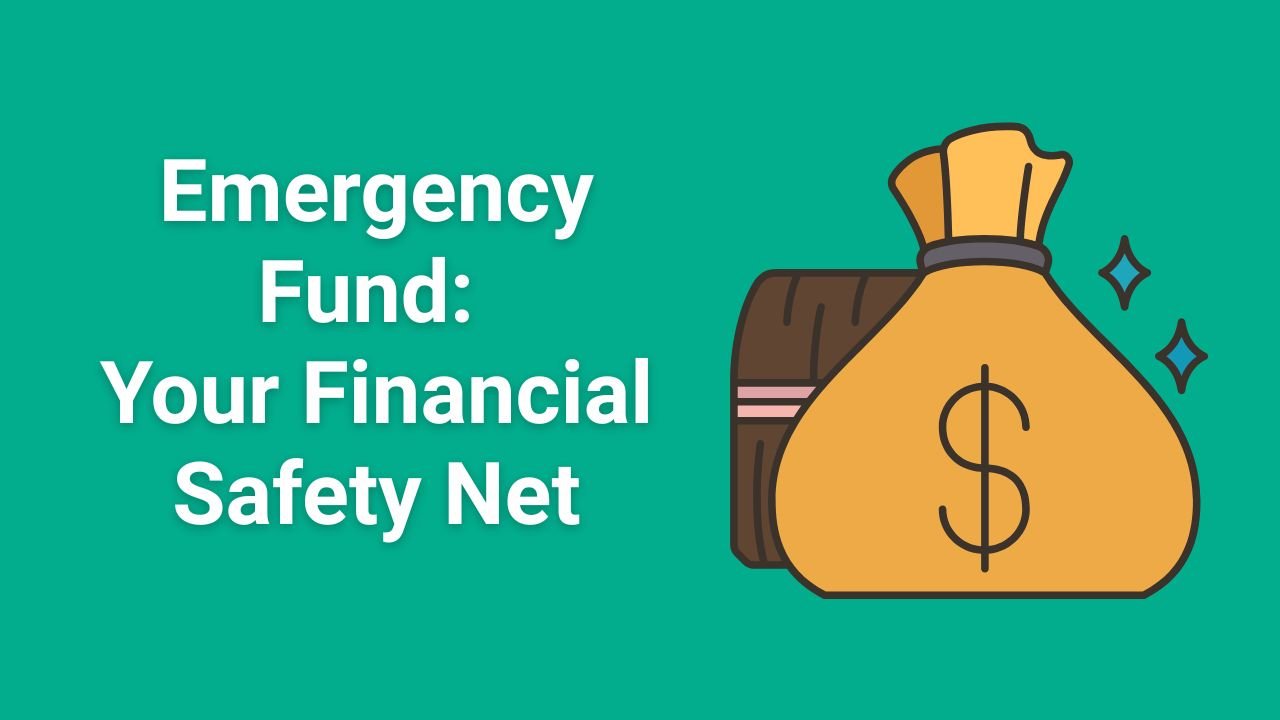
Simply put, an emergency fund is an amount of money that you set aside to deal with unexpected financial crises that arise in your daily life. It is not an investment, but rather an insurance for your financial life. It is like a safety net spread out under a circus performer. Even if the performer falls, the net will save his life. Similarly, when you fall into a financial crisis, this emergency fund is what keeps you from going into debt.
This is not money to buy a new car, go on a foreign trip, or go on an annual vacation. This amount is only for use in real emergencies such as medical emergencies, job loss, unexpected damage to your home or vehicle, or a sudden downturn in business. Paying an insurance premium or changing a tire on your vehicle is not an emergency, they are predictable expenses. Real emergencies are those that are completely unexpected. A person with an emergency fund can face any financial crisis without fear. It not only provides financial security, but also great mental peace. It will help you sleep peacefully at night.
Financial Lessons from Dave Ramsey
Dave Ramsey, world-renowned financial advisor and author of the best-selling book The Total Money Makeover, explains the importance of an emergency fund very clearly. The first step in his financial plan is to create a Starter Emergency Fund.
“It’s sure to rain, so you definitely need an umbrella. An emergency fund is the umbrella of your financial life.” – Dave Ramsey
Ramsey says that Murphy’s Law is very relevant in financial life. “If something can go wrong, it will.” That law is that it is wise to anticipate crises and prepare for them. According to Dave Ramsey, the first step on the journey to financial freedom is to set aside at least one lakh rupees (in Indian terms) in a way that can be accessed quickly. This initial fund of one lakh rupees will help an average family living in Indian cities to deal with sudden hospital expenses or other things. This amount is very necessary in these times of inflation. Later, after paying off all the debts, the amount that is enough to live on for 3 to 6 months should be set aside as a fully funded emergency fund.
How much money do you need? Where should you invest?
The two most important questions when creating an emergency fund are: How much should you set aside? Where should you keep it? Both of these questions need to be answered clearly.
How much money do you need?
According to financial experts, you should keep an emergency fund equal to 3 to 6 months of your family’s essential expenses. This will depend on your employment situation. If you are a single, steady-income IT employee, a 3-month fund is sufficient. But a householder with elderly parents and children needs a 6-month fund. Freelancers and self-employed people should keep a 9 to 12-month fund as their income is not constant.
For example, suppose the monthly expenses of an average family are as follows:
- Home Loan / House Rent (EMI / Rent): ₹15,000
- Food and Groceries: ₹10,000
- Children’s Education: ₹5,000
- Electricity, water, phone (Utilities): ₹3,000
- Travel and fuel (Transportation): ₹3,000
- Health Insurance Premium: ₹2,000
- Other essential expenses (Miscellaneous): ₹2,000
Total monthly expense: ₹40,000.
This family should have an emergency fund for at least 3 months (₹40,000 x 3 = ₹1,20,000). The safest bet is to set aside ₹2,40,000, which is 6 months of expenses. If you are at risk of losing your job suddenly, or if you have a business with no steady income, this can be increased to 9 to 12 months of expenses (i.e. ₹3,60,000 to ₹4,80,000).
Where to invest?
The most important feature of an emergency fund is its liquidity, or the ability to convert it into cash quickly. Therefore, this amount should not be invested in real estate or in schemes like PPF that have a long-term lock-in. The following are the best options:
- Savings Account: Keep a small portion of your emergency fund (about one month’s expenses) in a regular savings account. Although it only earns 3-4% interest, you can withdraw this money at any time of the night through an ATM.
- Liquid Mutual Funds : Liquid funds are the best way to invest the remaining amount of your emergency fund. They invest in government bonds and treasury bills. They offer better returns (usually 5-7%) than savings accounts. Moreover, if you request a withdrawal, the money will reach your bank account within a business day or two.
- Fixed Deposits (FDs): Sweep-in FDs are another great option that allows for quick withdrawals. This is a system where the money in your savings account above a certain amount automatically turns into an FD and is returned to the account without penalty when you withdraw the money.
- Cash at Home: While it is not safe to keep a large amount of money at home, it is a good idea to keep a small amount (for example ₹10,000 – ₹20,000) in cash at home. This can be useful in case of bank server outages or emergencies when ATMs are not working.
Common mistakes
There are some common mistakes people make when managing their emergency fund, and it’s essential to avoid them.
1. Seeking high returns: Investing your emergency fund in stocks or equity mutual funds is a big mistake. You will need money when the market crashes. At that time, you will have to withdraw the investment at a huge loss . The purpose of an emergency fund is not to earn interest, but to protect your capital.
2. Using it for non-essentials: Don’t use this fund to buy a new mobile phone when it comes out, a new TV at home, or to modify your car. This shows your lack of financial discipline. Only real emergencies should touch this amount.
3. Not replenishing the fund after using it: Suppose you took ₹50,000 from your emergency fund when an emergency arose. When your financial situation returns to normal, your first priority should be to put that ₹50,000 back into the fund. Otherwise, your fund will be empty when the next crisis strikes.
4. Credit cards are seen as an emergency fund: Many people think that just because they have a credit card, they don’t need an emergency fund. Although credit cards provide money in emergencies, they charge an annual interest rate of 36% to 40% if the bill is not paid on time. If you are unemployed or in a financial bind, this high interest rate can put you in a big financial bind.
5. Keeping the entire amount at home: It is not wise to keep your entire emergency fund in cash in a cupboard. Its value will decrease over time due to inflation. Moreover, it is more likely to be stolen.
Kerala’s economic situation and emergency fund
The economic culture of Kerala is a little different from other states. The high cost of living and the economy dependent on Gulf money complicate the financial life of Malayalis. Many expatriate Malayalis working abroad use all their savings to build big houses and buy luxury cars. But if a layoff comes suddenly or their visa is cancelled, they will not have the money to live on when they return home. Many families realize this reality only when a crisis strikes.
Gold and Emergency Fund: Gold is the most popular investment among Malayalis . Many people see gold as an emergency fund. It is true that gold loans are easily available. However, selling or pawning gold in a time of great crisis can be emotionally and financially difficult. Mortgage interest only increases your liability. Therefore, in addition to gold, you need to keep an emergency fund in cash.
Interest in Real Estate: Malayalis have a great interest in land and houses. But land or houses are not liquid assets. If you suddenly need money tomorrow, it may take months or years to sell a property. Therefore, real estate investments will never replace an emergency fund.
Healthcare Expenses: Although the healthcare sector in Kerala is good, the cost of treatment in private hospitals is very high. Even with health insurance, there are many situations where you have to pay a large amount of money out of your pocket due to reasons like room rent capping and consumables. An emergency fund is essential to deal with these situations.
Chit Funds: Chit funds are very popular in Kerala. But chit funds are not an emergency fund. If you need money urgently, you will have to lose a lot of money by auctioning the chit fund (discount cut). Therefore, chit funds should never be considered as money for emergency needs.
Things you can do today
If you don’t have an emergency fund yet, don’t worry. You can start taking the first step towards financial security today. To do this, do the following:
- Calculate your expenses accurately: Calculate exactly how much money your family needs to live on for a month. Avoid luxury expenses and consider only the amount for basic needs.
- Open a separate bank account: Don’t keep your emergency fund in the same salary account that you use for your daily needs. Open a savings account in a different bank for this. It should be an account that is easily accessible but not always in sight. This will reduce the temptation to spend money unnecessarily.
- Start investing through SIP: Even if you can’t save a large amount at once, start investing a small amount (say ₹2,000 or ₹5,000) every month in liquid mutual funds or recurring deposits (RD) through SIP (Systematic Investment Plan). Automate your savings so that this amount is automatically transferred to your account as soon as your salary arrives.
- Sell unwanted items: You can sell old mobile phones, electronic devices, or unused furniture lying around your house and transfer the proceeds to your emergency fund. This will help you build up your initial capital quickly.
- Transfer excess income to the fund: When you receive your annual bonus, tax refund, incentives, or other unexpected financial gains, transfer it entirely to an emergency fund. This will help you grow the fund faster.
- Review the fund annually: As your standard of living increases, new members join the family, and inflation increases, your monthly expenses will increase. So, evaluate the size of your emergency fund at least once a year (Annual Review) and invest more if necessary.
Financial freedom is not just a dream, it is something that can be achieved with proper planning. A good emergency fund is the surest foundation for it. It will enable you to face unexpected events with courage, without fear of debts. Remember, as the saying goes, when money comes, so does wisdom, and having a little bit of savings in hand will help your mind make the right decisions in any crisis. Reduce expenses, increase savings, and ensure financial security.
This is a financial education article, not investment advice. Please consult a certified financial advisor before making investment decisions based on your personal financial circumstances.